Museum Display Shipping & Logistics in Austin, Texas
Museum-quality shipping means meeting institutional standards, not just handling pieces carefully. We provide the documentation, condition reporting, and protocol compliance that museums and institutional lenders require when objects leave or enter their collections.
What “Museum-Standard” Shipping Actually Means
The phrase “museum quality” is used loosely in the shipping industry. For us, it means meeting the specific requirements that institutional registrars and collections managers actually impose on outgoing loan shipments. These requirements are codified in loan agreements and cannot be papered over with generalities.
Museum-standard shipping means: condition reports that match the format required by the lending institution, packing materials that pass museum conservation standards (no acidic materials, no PVC, no sulfur-containing products), crate construction to AAM or AAMD-referenced standards, and documentation that creates an unambiguous record of the object's state at every transfer of custody.
When objects are borrowed by museums from private collections, the institutional requirements travel with them. We help private collectors and smaller institutions meet those requirements so their loans are accepted and their objects are protected.
Our Museum & Institution Logistics Services
From a single loan object to a full traveling exhibition.
Condition Reporting
Standardized condition reports completed at intake and at delivery against a agreed baseline. Photographic documentation at close range under consistent lighting. Reports formatted to institutional standards where provided.
Object ID Documentation
Object ID fields documented for each piece in a shipment, identifying characteristics, dimensions, material, inscriptions, provenance summary. Reduces risk of misidentification at delivery and is good practice for objects of cultural significance.
Loan Agreement Compliance
We review the packing and transit requirements specified in the institution's loan agreement and confirm compliance before accepting the job. If requirements exceed our standard service, we discuss the gap and find solutions.
Crate Build to Specification
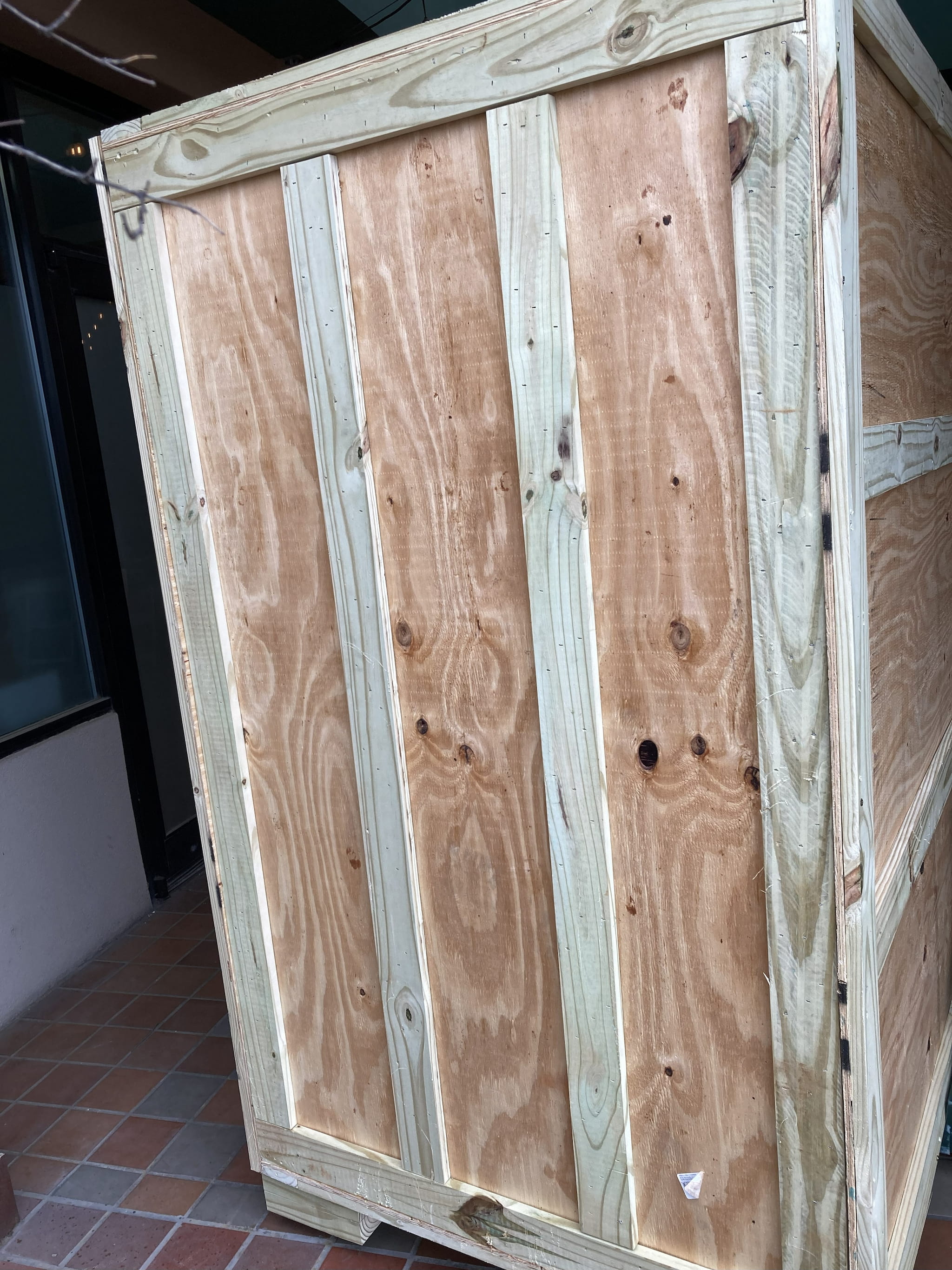
Some institutions specify crate dimensions, hardware, or construction standards. We build to specification. Lids with butterfly latches, recessed screws, specific lumber dimensions, institutional specs are followed.
Courier Coordination
Some loans require a courier to accompany the object in transit. We coordinate with the courier, provide documentation for the journey, and ensure the courier has what they need to supervise handling at origin, destination, and intermediate points.
Return Condition Verification
On return shipments, we verify and document condition against the intake report. Any changes noted during the exhibition period are recorded. This closes the loan cycle with a clean documentary record.
Austin's Museum Ecosystem
Austin has a significant institutional art environment, the Blanton Museum of Art at UT Austin, the Austin Museum of Art (Laguna Gloria), the Mexic-Arte Museum, the Harry Ransom Center, and a range of university and academic collections. The city's growth has brought increasing institutional borrowing from Austin-area collectors and increased outgoing loans from Austin institutions to national and international venues.
We support this institutional ecosystem with a physical presence in Austin, meaning we can respond when something changes, assess objects in person before quoting, and be present at origin and destination for high-stakes shipments in a way that a national broker-only operation cannot.
Museum Display Object Types We Ship
Objects held by or loaned to institutions across all collection areas.
Frequently Asked Questions
Can you work to a museum registrar's specific packing requirements?
Yes. Loan agreements often specify particular packing standards, including crate dimensions, hardware types, climate buffering materials, and condition report formats. We review these requirements before accepting a job and confirm in writing that we will meet them.
Do you provide climate-buffered crating?
We provide passive climate buffering using silica gel conditioning systems appropriate for the object type and expected transit environment. For objects requiring active climate control during transport, we coordinate with specialist climate-controlled transport carriers.
Can a private collector use your services to lend to a museum?
Yes. Collectors lending to institutional exhibitions are a significant part of our museum-adjacent work. We help collectors meet the institutional packing and documentation requirements that come with the loan agreement, making the borrowing process smoother for both parties.
How do you handle objects that the institution requires a courier to accompany?
We coordinate with the courier completely, providing itineraries, documentation packages, handling instructions for each object, and contact information for receiving parties. The courier travels with the shipment; we handle everything that happens before and after the courier portion.
What is your process for acquiring a quote for an institutional shipment?
Contact us with the loan agreement, object dimensions and weights, origin and destination, and the required delivery date. For institutional work, we prefer to receive the packing requirements specification from the loan agreement before quoting, so we can be accurate about what the job requires.
More Fine Art & Specialty Shipping Services
Austin Crate & Freight serves the entire Austin metro, custom crating, white-glove collection, and specialty freight for items that standard carriers cannot handle.
Custom Furniture Shipping
White-glove furniture shipping and custom crating across Austin and all of Texas. Sofas, dining sets, bedroom furniture, antiques, and pieces too large or fragile for standard carriers.
- Luxury Sofas & Sectionals →
- Dining Tables & Sets →
- Bedroom Furniture →
- Designer Chairs →
- Cabinets & Credenzas →
- Grandfather Clock Shipping →
- Marble & Stone Furniture →
- Antique & Heirloom Furniture →
- Antique Furniture Shipping Texas →
- Custom & Handmade Furniture →
- Executive Office Furniture →
- Outdoor & Patio Furniture →
- Oversized & Heavy Furniture →
Institutional-Grade Shipping from Austin
Museum loan compliance, condition documentation, and expert crating, managed by a local Austin team that can respond when requirements change.