Medical Imaging Equipment Shipping in Austin, Texas
X-ray machines, ultrasound units, MRI systems, and CT scanners represent some of the most expensive and calibration-sensitive equipment in any clinical setting. A shipping error does not just risk physical damage, it can knock a machine out of regulatory compliance and require costly re-certification before the next patient ever sees it.
Why Medical Imaging Equipment Demands Specialist Transport
Medical imaging systems operate to tolerances that are measured in fractions of a millimeter. MRI machines have superconducting magnets that must be transported in specific orientations and kept within tight environmental limits. CT gantries contain precision-balanced rotating assemblies that can be damaged by vibrations that would be unremarkable for a piece of furniture. X-ray tubes are vacuum-sealed glass components that shatter under point impact even through their housing.
Beyond the physical protection needs, imaging equipment in a clinical facility is governed by federal and state regulations. Moving a fluoroscope or mammography unit requires proper decommissioning documentation, chain-of-custody records, and, for units with X-ray tubes, compliance with radiation control programs. We coordinate with your biomedical engineering team to ensure transport documentation aligns with re-certification requirements at the destination.
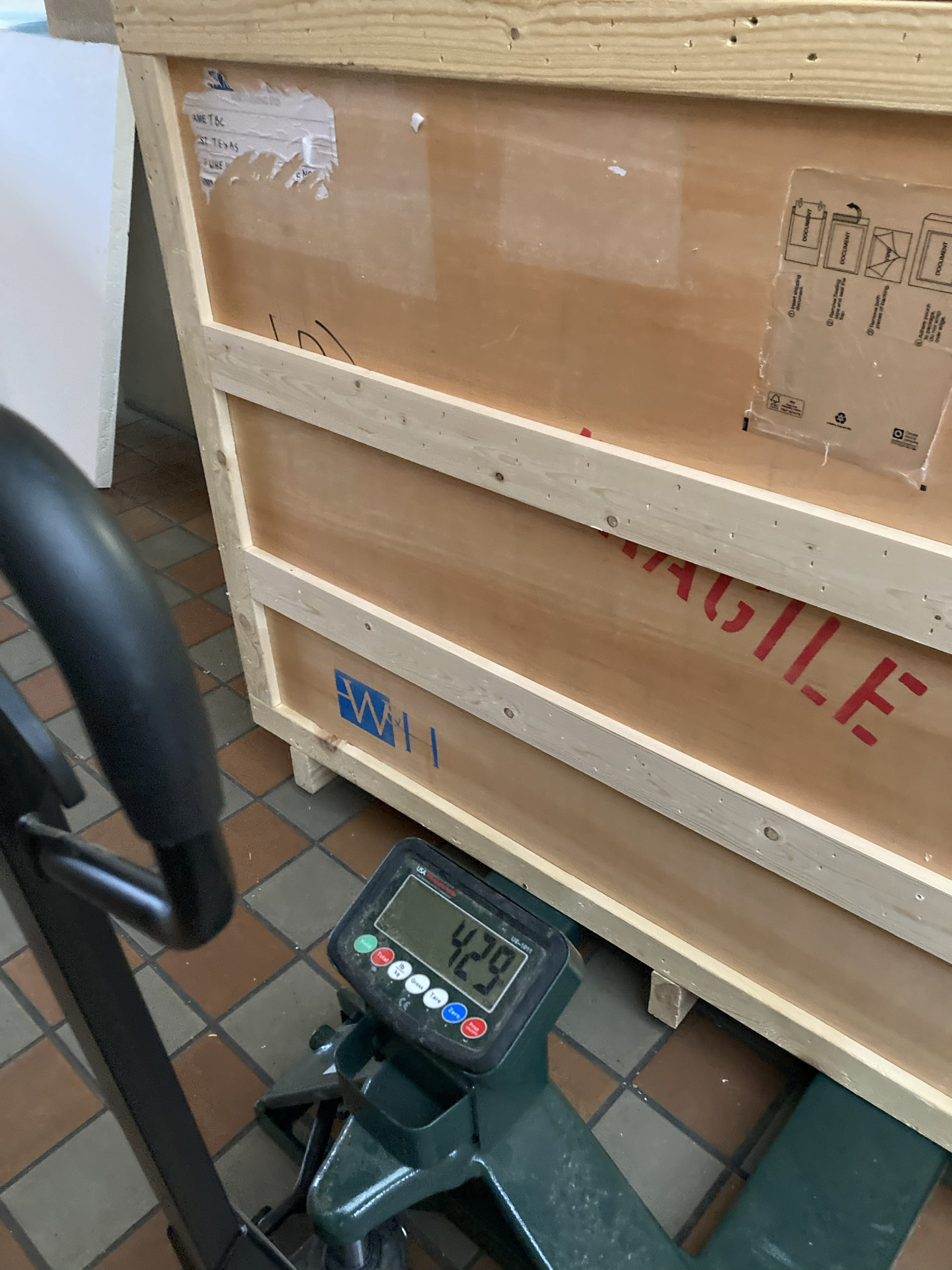
Our crates for imaging equipment are engineered to the actual shock and vibration specifications published by the OEM where available, and to conservative safe-handling standards where they are not. Fragile components are individually immobilized using closed-cell foam inserts cut to exact profile, not generic padding that allows residual movement.
How We Transport Medical Imaging Equipment
Engineered crating, regulatory documentation, and chain-of-custody handling at every step.
OEM-Spec Shock Protection
Crates and foam inserts are designed to the manufacturer's published shock specifications. For systems without published specs, we apply conservative biomedical equipment standards.
Orientation Control
Many imaging systems must travel in one specific orientation. We engineer the crate so this is enforced mechanically, not just noted on a label that a freight handler may ignore.
Chain-of-Custody Documentation
Complete sign-off documentation for every transport handover point, supporting re-certification and regulatory compliance requirements at the destination facility.
HIPAA-Compliant Handling
All personnel involved in the collection, transport, and delivery handle equipment in compliance with healthcare privacy and security requirements, including storage media protocols.
Pre-Transport Assessment
We photograph all components, document existing condition, and record serial numbers and calibration tags before anything is disconnected or moved.
Coordinated Biomedical Handoff
Delivery is coordinated with your biomedical engineering team. We provide the transport log, shock/vibration incident report (if any), and all documentation needed for re-commissioning.
Imaging Equipment We Transport
Full-system transport, gantries, generators, workstations, and all associated peripherals.
Frequently Asked Questions
Can you transport a portable X-ray unit within Austin?
Yes. Portable and mobile X-ray units are among our most common medical equipment moves. We can handle same-facility moves (between departments or floors), building-to-building moves within one campus, and off-site transport to physicians offices or imaging centers.
Do you handle the radiation control compliance documentation for X-ray transport?
We provide chain-of-custody transport documentation and work with your facility's radiation safety officer or biomedical team. Regulatory compliance (e.g., state radiation control program notifications) is the facility's responsibility, but we provide the transport records that support those filings.
Can you ship an MRI machine?
We transport MRI components, gradient coil assemblies, RF cages, patient tables, and associated electronics. Full magnet system transport (requiring magnet quench and re-ramping) requires coordination with the OEM or a specialist MRI rigging company; we can refer you to appropriate partners for that scope.
How do you protect ultrasound transducers during transport?
Transducer arrays are among the most fragile components in any imaging system, the piezoelectric elements inside crack under point impact. We individually wrap each transducer with custom profile foam inserts, and they travel in a dedicated padded case or compartment inside the main crate.
What does imaging equipment transport cost?
Local Austin transport for portable imaging units typically starts at $300–$600. Multi-component system transport (CT, fixed X-ray) is priced per project based on the component count and preparation required. Call (512) 240-9818 for a free assessment.
More Medical Equipment Services
Austin Crate & Freight serves the entire Austin metro, custom crating, white-glove collection, and specialty freight for items that standard carriers cannot handle.
Custom Furniture Shipping
White-glove furniture shipping and custom crating across Austin and all of Texas. Sofas, dining sets, bedroom furniture, antiques, and pieces too large or fragile for standard carriers.
- Luxury Sofas & Sectionals →
- Dining Tables & Sets →
- Bedroom Furniture →
- Designer Chairs →
- Cabinets & Credenzas →
- Grandfather Clock Shipping →
- Marble & Stone Furniture →
- Antique & Heirloom Furniture →
- Antique Furniture Shipping Texas →
- Custom & Handmade Furniture →
- Executive Office Furniture →
- Outdoor & Patio Furniture →
- Oversized & Heavy Furniture →
Medical Imaging Equipment Transport in Austin
HIPAA-compliant, calibration-safe transport for X-ray, ultrasound, CT, and MRI systems. Chain-of-custody documentation included.
All Medical Equipment Services