Sensitive Medical Electronics & Calibration Device Shipping in Austin
Infusion pumps, defibrillators, ventilators, and precision clinical electronics are calibrated to FDA-regulated tolerances. In many cases, a single calibration event costs more than the transport itself. Our job is to ensure the device arrives in the same calibration state it left, no shock events, no ESD damage, no connector stress.
Why Calibration-Critical Devices Need Specialist Transport
A defibrillator that delivers inconsistent energy output, an infusion pump with a flow-rate error, or a ventilator with a tidal volume drift are not just equipment problems, they are patient safety events. These devices are calibrated to be accurate within tight tolerances because clinical decisions depend on them. Shipping them incorrectly can displace internal calibration references, stress sensing elements, or introduce contact corrosion on precision connectors.
Electrostatic discharge (ESD) is a specific risk that general freight carriers ignore entirely. Handling a device with an exposed PCB or sensor port in a low-humidity environment without anti-static precautions can damage components that appear fully functional but degrade within weeks. Our team uses anti-static packaging materials and follows ESD-safe handling procedures for all electronics with exposed components or open connectors.
For biomedical engineering teams managing large fleets of infusion pumps, ventilators, or defibrillators, regular transport between facilities, to service depots, and to storage, we provide repeatable, documented processes that fit into your PM (preventive maintenance) and biomedical inventory workflows.
How We Pack & Transport Sensitive Medical Electronics
Calibration-aware packing, anti-static handling, and connector protection throughout.
Anti-Static Packaging
Devices with exposed PCBs, sensor ports, or open connectors are packed in anti-static foam and bags. All personnel use ESD-safe grounding procedures for these units.
Shock-Isolated Crating
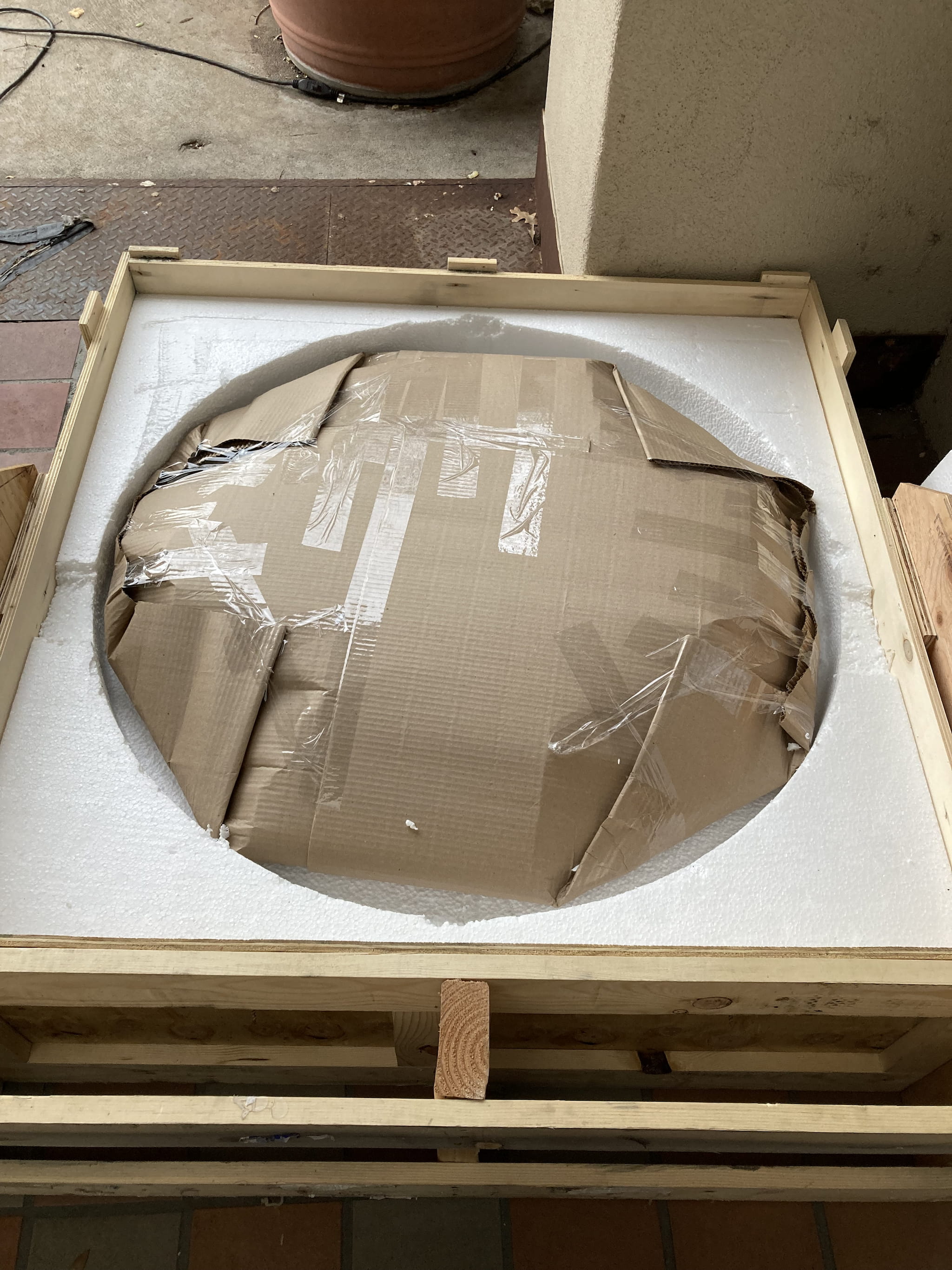
Foam density and crate design are selected to the device's specific weight and fragility. Internal components do not contact the crate at any point. We target shock levels well below the device's rated transport specification.
Connector & Port Protection
All external connectors, power, data, probe, and accessory ports, are capped before packing to prevent contamination and mechanical stress on connector bodies during transit.
Battery Handling
Devices with internal batteries are checked for charge state. Lithium-ion batteries must ship at less than 30% charge for ground freight. We coordinate with your biomedical team on battery preparation if needed.
Accessory Component Tracking
All accessories (power supplies, cables, brackets, docking stations) are listed per unit serial number and packed in a labeled accessory bag inside the primary crate. Nothing goes untracked.
HIPAA-Compliant Data Handling
Devices containing patient data, infusion pump logs, defibrillator event records, ventilator patient profiles, are handled without accessing stored data. PHI purging is your biomedical team's scope; we document that it was completed.
Sensitive Medical Electronics We Transport
Any clinical or biotech device where calibration accuracy is a patient-safety requirement.
Frequently Asked Questions
Do infusion pumps need to be inspected after transport?
Yes, biomedical engineering should perform a post-transport functional check and verify calibration before returning any pump to patient use. We transport pumps in a condition that minimizes the probability of calibration shift, but post-transport verification is best practice and required by most facility PM protocols.
Can you ship a fleet of defibrillators from one hospital system to another?
Yes. We handle hospital fleet transfers regularly. We can coordinate with your biomedical and asset management teams on serial number tracking, accessory accountability, and transport documentation for each unit.
How do you handle lithium battery regulations for medical devices in transit?
Lithium-ion batteries in medical devices fall under DOT 49 CFR Part 173 regulations for shipping. We follow the applicable ground transport rules: battery state of charge at or below 30%, proper labeling, and documentation. We coordinate with your team to ensure devices are prepared correctly before collection.
Can you transport ventilators on short notice for emergency facility needs?
We can often accommodate same-day or next-day transport for urgent clinical needs within Austin. Call (512) 240-9818 directly to discuss timeline, urgent medical equipment moves are something we prioritize.
What does sensitive medical electronics transport cost?
Individual units typically start at $150–$350 for local Austin moves. High-value or highly fragile devices that require custom crating are priced per project. Fleet moves are priced per unit at a volume rate. Call (512) 240-9818 for a free quote.
More Medical Equipment Services
Austin Crate & Freight serves the entire Austin metro, custom crating, white-glove collection, and specialty freight for items that standard carriers cannot handle.
Custom Furniture Shipping
White-glove furniture shipping and custom crating across Austin and all of Texas. Sofas, dining sets, bedroom furniture, antiques, and pieces too large or fragile for standard carriers.
- Luxury Sofas & Sectionals →
- Dining Tables & Sets →
- Bedroom Furniture →
- Designer Chairs →
- Cabinets & Credenzas →
- Grandfather Clock Shipping →
- Marble & Stone Furniture →
- Antique & Heirloom Furniture →
- Antique Furniture Shipping Texas →
- Custom & Handmade Furniture →
- Executive Office Furniture →
- Outdoor & Patio Furniture →
- Oversized & Heavy Furniture →
Sensitive Medical Electronics Transport in Austin
Anti-static handling, calibration-safe crating, and HIPAA-compliant documentation for every precision clinical device.
All Medical Equipment Services